



Table of Contents
- Direct Answer: Specify Pump Output Per Actuation and Verify It With the Formula
- What Does Cosmetic Pump Dosage Mean?
- Output Per Stroke Versus Bottle Capacity
- Why Viscosity, Density and Formula Flow Matter
- Dispensing Format Comparison for Serums, Lotions and Creams
- Standard Pump Options for Fluid and Medium-Viscosity Products
- Airless Pump Options for Creams, Gels and Other Formulas
- How to Define a Target Dosage for Your Product
- Start With the Intended User Application
- Measure Output Across Repeated Actuations
- Pump Fit, Priming and Filling-Line Considerations
- Dosage Questions to Confirm During Sample Approval
- Related YBJ Product Options for Cosmetic Pump Dosage Projects
- Request a Pump and Bottle Sample Matched to Your Formula
Cosmetic pump dosage should be specified as the measured amount dispensed per full actuation, not inferred from bottle capacity. This guide explains how to compare standard and airless pumps, evaluate formula flow, and prepare a practical sample-approval checklist.
Direct Answer: Specify Pump Output Per Actuation and Verify It With the Formula
Cosmetic pump dosage is the amount dispensed by one complete pump actuation. Specify it as a target in mL per stroke or g per stroke, define the acceptable tolerance, and verify the result with the actual formula, pump, bottle and filling conditions.
Pump output per stroke is a component specification, not a guaranteed result for every product. Viscosity, density, temperature, priming, actuation speed, dip-tube pickup and the pump’s internal chamber can all affect the measured amount. A sample approval should therefore confirm serum pump dosage, lotion output or cream output before tooling or production decisions.
- State the target output and measurement unit.
- Define what counts as a full actuation and how the pump is primed.
- Test repeated strokes on multiple samples using the intended formula or a representative batch.
What Does Cosmetic Pump Dosage Mean?
In a cosmetic dispensing system, dosage means the quantity delivered during a defined user action. An actuation or stroke is one complete press and release of the actuator. Output may be measured by volume, such as mL per stroke, or by mass, such as g per stroke.
Priming is the initial pressing needed to fill the pump pathway and begin consistent dispensing after the package has been filled or stored. The first one or more presses may not represent normal output, so the priming procedure should be recorded separately in the approval standard.
Airless describes a package designed to move product toward the actuator with a piston or another internal mechanism rather than relying only on a conventional dip tube. Airless packaging can be considered when controlled dispensing or reduced air exchange is a design goal, but it does not by itself guarantee formula stability, preservation or compatibility.
Output Per Stroke Versus Bottle Capacity
Output per stroke and bottle capacity answer different sourcing questions. Output describes how much leaves the package during one actuation. Capacity describes the nominal amount the container is designed to hold. A 50 mL bottle does not automatically represent a fixed number of pumps because actual output, residual product, headspace and priming vary by design and formula.
For a basic measurement, use this calculation:
Average output per stroke = total measured output ÷ number of full strokes
If the test is weighed, report the result in g per stroke. Do not convert grams to milliliters without using the formula’s measured density. For a volume test, use calibrated equipment and document the test temperature, stroke method and sample identification.
Why Viscosity, Density and Formula Flow Matter
Viscosity is a formula’s resistance to flow. A thin serum generally moves through a pump more easily than a rich cream, but the exact behavior depends on the formula and component. Density is mass per unit of volume, so two formulas with the same volume can produce different weights per stroke.
Temperature, storage time, filling temperature, shear during processing and the formula’s interaction with seals or valves can change output. A pump that performs well with water or a laboratory substitute may not perform the same way with a lotion, gel or emulsion. Ask the supplier to evaluate the actual formula, or provide a representative formula with comparable viscosity and flow behavior.
These variables also affect whether the package primes reliably, clears the dip tube, empties consistently and maintains the expected actuation feel. Any proposed dosage is project-dependent until confirmed by an approval sample.
Dispensing Format Comparison for Serums, Lotions and Creams
The best cosmetic dispensing system depends on the formula’s flow behavior, the desired number of strokes per use, the brand experience and the filling process. Use the table below as a screening guide rather than a performance guarantee.
| Format | Potential starting fit | Dosage strengths | Trade-offs and checks |
|---|---|---|---|
| Standard pump bottle | Fluid to medium-viscosity serums and lotions, if pickup is reliable | Simple press-and-release use; output can be selected through the pump mechanism | Confirm dip-tube pickup, priming, formula compatibility, neck finish and output consistency |
| Airless pump bottle | Creams, gels and emulsions where controlled delivery or reduced air exchange is a design goal | Internal product movement can support a controlled dispensing experience | Confirm piston movement, seal compatibility, priming, residual product, fill method and output |
| Airless pump jar | Richer cream concepts where a push-down format suits the user experience | Can combine a jar presentation with a metered pump action | Check actuator feel, opening geometry, filling equipment, decoration clearance and formula pickup |
Standard Pump Options for Fluid and Medium-Viscosity Products
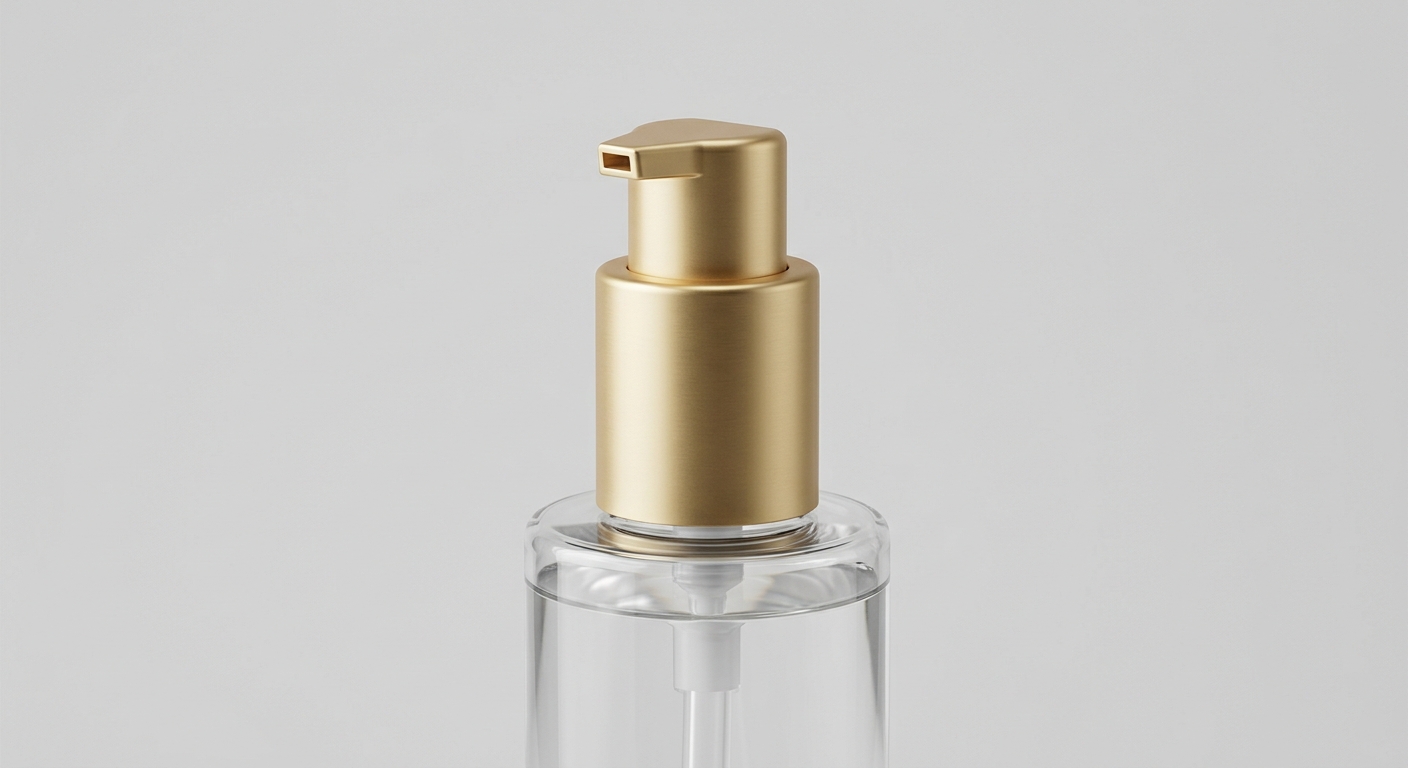
The term cosmetic lotion pump describes a package format, not one universal dosage. Similar-looking bottles may use pumps with different chamber sizes, actuators, valves and output characteristics. A lower output can support incremental application but may require more strokes; a higher output can reduce the number of strokes but may make over-dispensing more likely for a thin formula.
For a serum or lotion concept, review the pump together with the dip-tube length, bottle capacity, neck finish and formula pickup path. The actuator should return fully and dispense without excessive force, leakage or inconsistent priming under the agreed test conditions. YBJ Packaging can help review packaging options, but the final pump output, material selection and compatibility remain specific to the project.
Airless Pump Options for Creams, Gels and Other Formulas
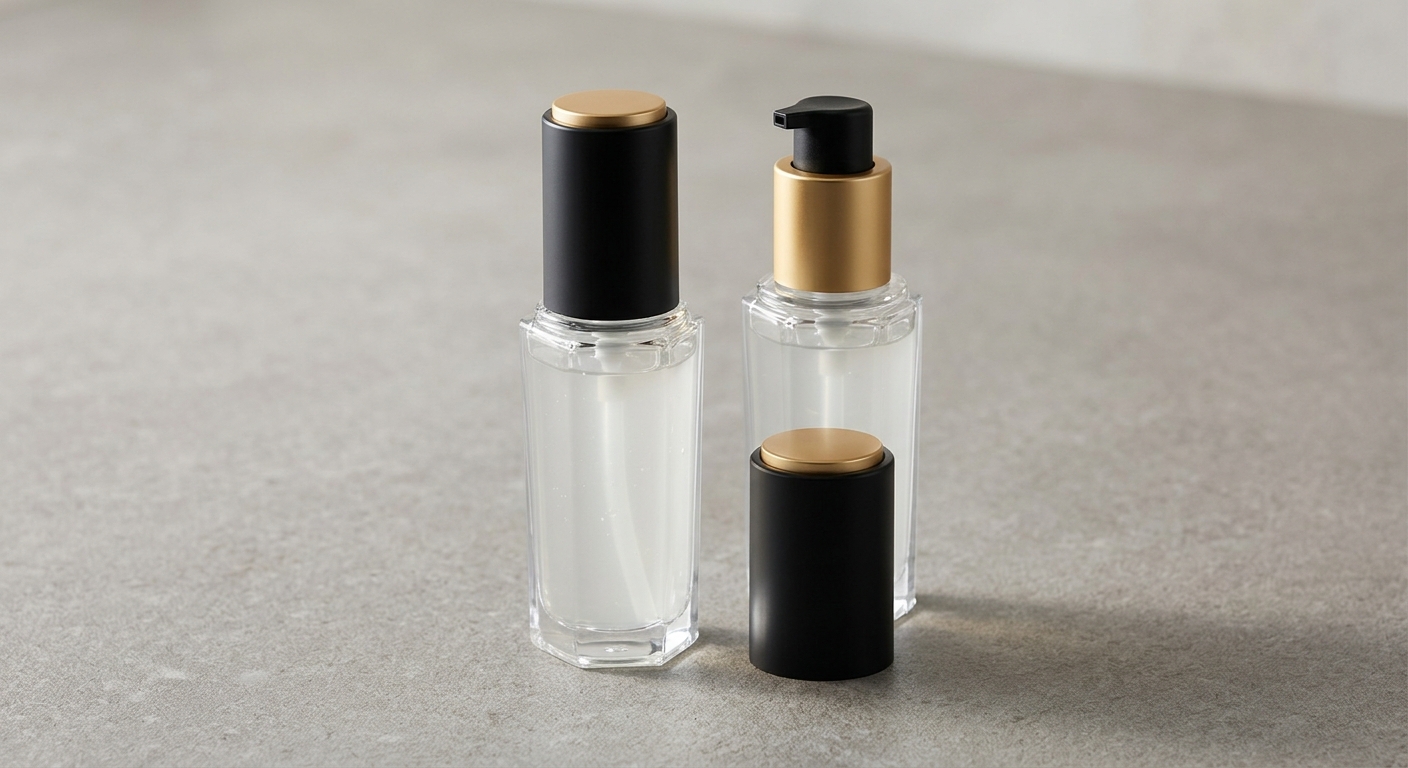
Many airless systems use a moving piston to push product toward the pump as the package is actuated. This can be useful when a brand wants a controlled dispensing experience or wants to limit direct air exchange, but the system is not automatically suitable for every cream, gel or active-formula concept.
Airless pump dosage depends on the pump chamber, piston seal, actuator travel, formula flow and priming procedure. Confirm whether the formula can move consistently through the package after filling, storage and shipping. Also review whether the package can be filled on the intended line and whether the decoration or outer bottle design interferes with the actuator.
When comparing airless pump dosage, ask for measured output after priming and across repeated actuations. YBJ’s customizable airless pump bottle option can be reviewed as a starting point for a premium airless concept, subject to project-specific confirmation.
How to Define a Target Dosage for Your Product
Define dosage from the intended use of the finished product, then select a pump that can deliver that amount consistently. The target should describe the product, the preferred user action, the output unit and the acceptable variation. It should also identify the formula batch or representative test material used for evaluation.
- Describe the product as a serum, lotion, cream, gel or another format.
- State the desired amount per application and the preferred number of strokes.
- Choose a measurement basis: volume, mass or both.
- Specify priming instructions, actuation speed and test temperature.
- Confirm that the package can be filled, assembled, decorated and shipped using the planned process.
Do not choose a pump solely by bottle capacity or appearance. Capacity, output and formula compatibility should be approved as a complete package.
Start With the Intended User Application
Ask how the consumer is expected to use the package: one continuous press, several smaller presses, one-handed dispensing or dispensing directly onto a fingertip or tool. A thin serum may benefit from a controlled output that allows incremental application. A lotion may need a balance between stroke count and handling. A cream may require more attention to pickup, actuator force and whether a standard or airless format can move the formula.
These are design directions, not fixed dosage rules. The formula, target market, package geometry and brand instructions determine the final choice. If the product will be used in different climates, include those conditions in the sample discussion because temperature can affect flow and output.
Measure Output Across Repeated Actuations
A practical screening method is to separate priming from normal-use measurement:
- Fill or prepare the sample with the intended formula, or a documented representative formula.
- Record the storage temperature, sample identity and priming procedure.
- Prime the pump and record the first usable stroke separately.
- Measure a defined series of full strokes, such as 10 or 20, using a calibrated balance or volume method.
- Divide total measured mass or volume by the number of measured strokes.
- Repeat on additional samples and compare early, middle and late dispensing behavior.
If the test uses mass, report g per stroke. If the commercial specification requires mL per stroke, measure density before converting. The final acceptance method, sample quantity and tolerance should be agreed with the supplier during approval.
Pump Fit, Priming and Filling-Line Considerations
Neck finish means the dimensional and threaded interface at the bottle opening. The pump, collar, gasket and bottle must match this interface. Also confirm dip-tube length and cut, pump insertion depth, closure torque, actuator clearance, bottle headspace and the filling method. A visually compatible pump can still fail to prime or fit correctly if these details are not matched.
Filling-line review should cover formula viscosity, filling temperature, pump insertion, capping, decoration handling, leak checks and the expected shipping orientation. Decoration can change the available clearance or affect how the actuator and collar are handled during assembly.
YBJ Packaging states that it provides OEM and ODM support from consultation and design through mold development, material selection, manufacturing, assembly, quality checks and worldwide shipping. The company also describes more than 20 years of cosmetic-packaging experience, a 10,000 m² intelligent facility, a Class 10,000 cleanroom, 12 automated assembly lines and 23 Toshiba all-electric injection machines. These are company-stated capabilities; confirm the exact equipment scope, component specification, quality plan and shipping arrangement for your project. A cleanroom is a controlled area for airborne-particle management, not a dosage or sterility guarantee. Review YBJ’s cosmetic pump and cap options alongside the bottle and formula.
Dosage Questions to Confirm During Sample Approval
Before approving a component or requesting a quotation, give the packaging supplier enough information to evaluate the complete dispensing system. Confirm these points in writing:
- What is the product type, formula or viscosity context, density and temperature range?
- What are the target capacity, bottle dimensions and material?
- What pump, closure, neck finish and dip-tube configuration are required?
- What output is targeted in mL per stroke or g per stroke, and what tolerance applies?
- How many strokes should be used for priming, and what counts as a full actuation?
- Will the product be filled manually, semi-automatically or on a specific filling line?
- Which decoration, color, finish, labeling or assembly details must be preserved?
- What estimated quantity, destination and target date should be considered?
Request an approval sample using the intended formula whenever possible. Confirm whether compatibility, MOQ, tooling, pricing, production timing and shipping can be evaluated only after these project details and the sample requirements are reviewed.
Related YBJ Product Options for Cosmetic Pump Dosage Projects
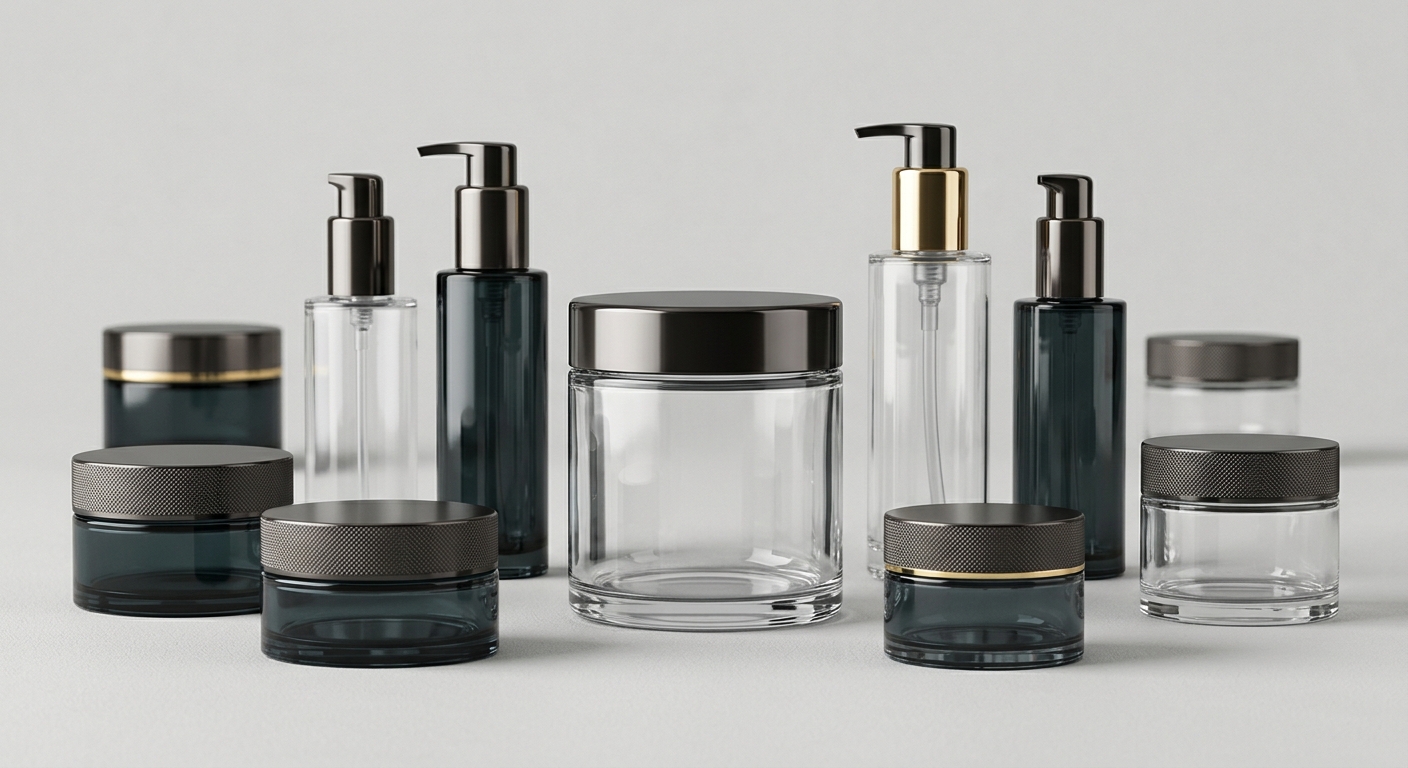
YBJ Packaging’s product listings can help buyers compare bottle and jar directions before requesting component samples. The listings and product images are starting points for format selection; they do not establish a specific pump output, formula compatibility, MOQ or production schedule.
| YBJ product direction | Useful evaluation role | Confirm before approval |
|---|---|---|
| Cosmetic bottles and jars | Broad review of bottle and jar formats for skincare packaging | Whether a pump can be integrated, plus capacity, neck finish, material and dosage |
| Customizable premium cosmetic bottle for skincare formulations | Starting point for a customizable bottle concept for serum or lotion packaging | Pump assembly, surface decoration, formula contact materials and filling-line fit |
| Cosmetic lotion bottle | Relevant starting format for lotion-focused packaging concepts | Pump output, dip-tube pickup, neck finish, capacity and repeated-actuation results |
| Customizable airless pump bottle with premium surface finishes | Airless direction for projects considering controlled dispensing and a premium presentation | Piston movement, priming, formula compatibility, decoration, filling method and airless pump dosage |
Ask YBJ to match the shortlisted bottle, pump and formula through a project-specific sample review rather than selecting from appearance alone.
Request a Pump and Bottle Sample Matched to Your Formula
Send YBJ Packaging the information needed to review your cosmetic pump dosage requirement: product type, formula or viscosity context, capacity, dimensions, bottle material, closure or pump preference, decoration, estimated quantity, filling application, destination and target date. Include the target output per stroke, measurement unit, priming method and any sample or compatibility questions.
YBJ can then review the suitable bottle and pump direction, material and decoration requirements, mold or tooling needs, assembly and quality-check scope, and shipping details. Compatibility, MOQ, pricing and production timing depend on the project specification and approval process.
Request a Pump and Bottle Sample Matched to Your Formula
Contact YBJ Packaging with your product type, formula or viscosity context, capacity, dimensions, material, closure or pump, decoration, estimated quantity, filling application, destination and target date. Include the target cosmetic pump dosage, measurement unit, priming method and any sample or compatibility questions so the specification can be reviewed before quotation or approval.

 English
  Français
  Español