

Índice
- What Is Cosmetic Tube Packaging?
- Choose the Tube Format for the Product and Use Case
- Common Tube Materials and Their Trade-Offs
- Cap and Closure Options
- Decoration and Artwork Requirements
- Tabla de especificaciones de tubos cosméticos
- Sampling and Filling-Line Checks
- RFQ Checklist for a Tube Manufacturer
- Preguntas frecuentes
- Discuss Your Custom Cosmetic Tube Project
Choose cosmetic tube packaging by connecting the tube structure, material, opening, closure, decoration and filling process to the formula and end-user experience. This procurement checklist explains what to confirm before requesting samples or a quote.
What Is Cosmetic Tube Packaging?
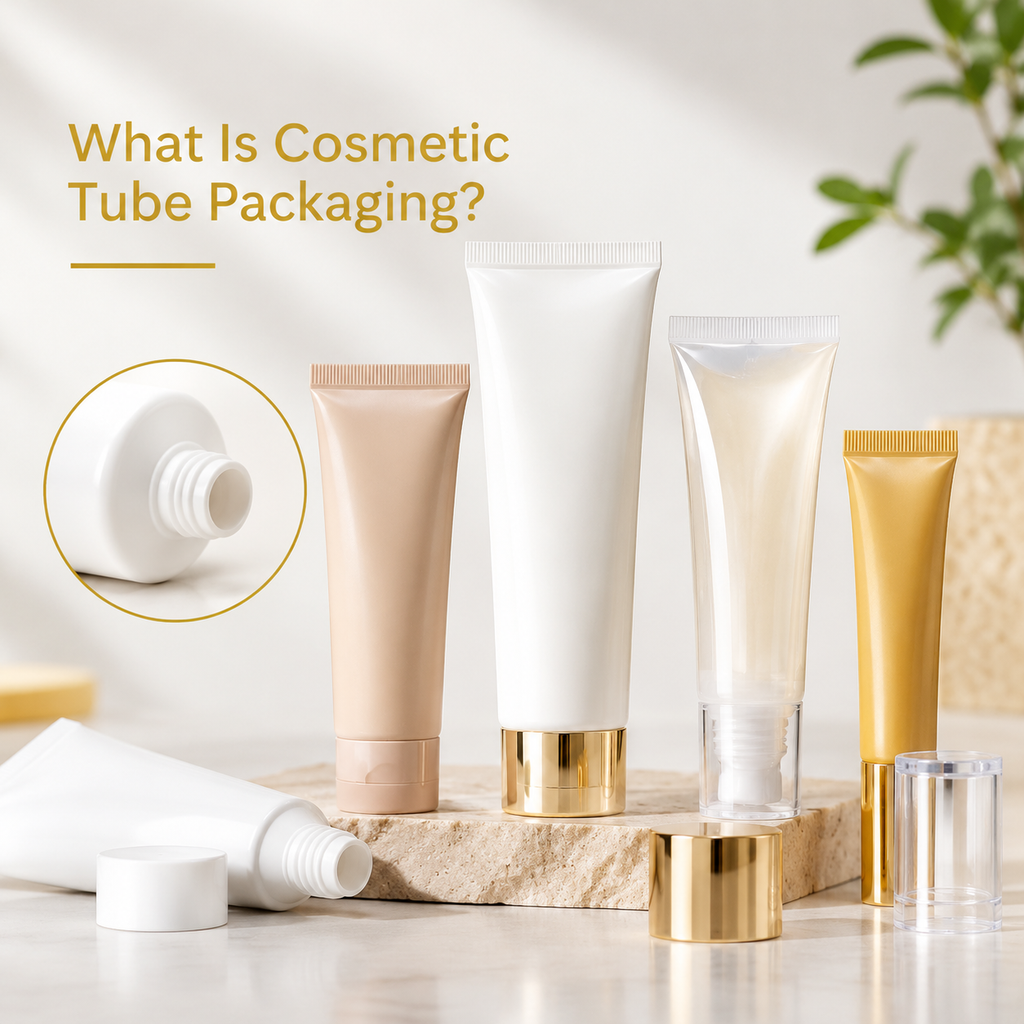
Cosmetic tube packaging is a flexible container made from a tube body, shoulder, opening and closure. It is commonly used for facial cleansers, creams, gels, sunscreens, masks, toothpaste and other products that can be dispensed by squeezing the tube.
How do you choose it? Start with the formula and filling process, then specify the required capacity, tube diameter, shoulder shape, opening, cap, material, decoration and sealing method. A tube that looks suitable may still require compatibility, leak, torque and filling-line checks before approval.
YBJ Packaging provides OEM and ODM packaging support covering consultation, design, mold development, material selection, manufacturing, assembly, quality checks and worldwide shipping. The company states that it has more than 20 years of cosmetic-packaging experience, a 10,000 m² intelligent facility, a Class 10,000 cleanroom and 12 automated assembly lines. Exact construction, compatibility and production terms remain project-dependent.
Choose the Tube Format for the Product and Use Case
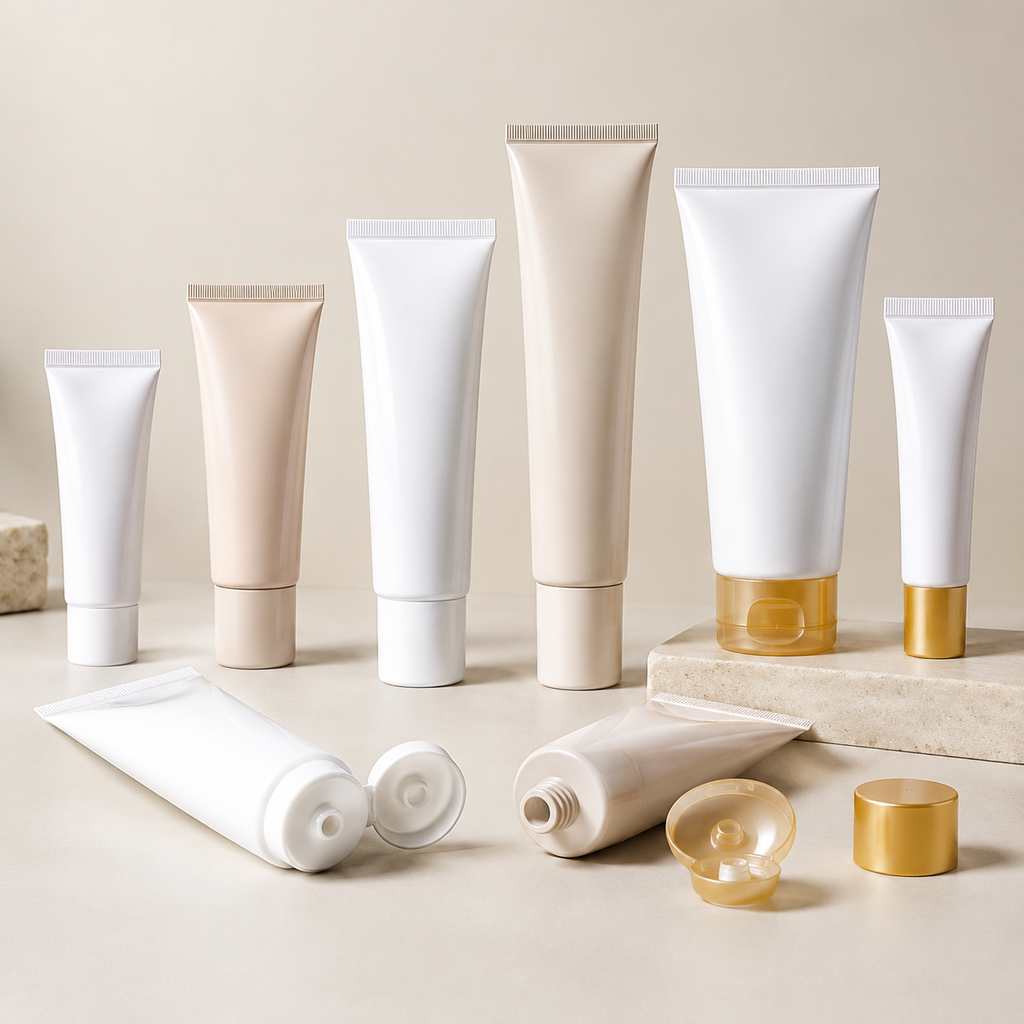
Tube format should follow the product’s viscosity, intended dosage, application method and retail position. A low-viscosity cleanser may need a different opening and shoulder than a dense mask or toothpaste. The filling equipment and end-seal requirements also influence the body diameter and total tube length.
Squeeze tubes for cleansers, creams and gels
Squeeze tubes are a practical choice when the user needs to control the amount dispensed with hand pressure. They can suit skincare tube packaging for facial cleansers, moisturizers, exfoliating products, sunscreen and gel formulas. They are also widely considered for custom toothpaste tubes, although the tube structure, barrier needs, opening and filling method must be confirmed with the formula and filling partner.
For a facial cleanser tube, review whether the formula flows easily through the chosen orifice and whether the cap protects the opening between uses. For a thick cream or mask, confirm that the shoulder and opening do not create excessive dispensing force. These are sample-stage questions rather than assumptions based only on the product name.
Tube size, shoulder shape and opening
Capacity is only one part of the specification. Tube diameter affects hand feel, visual proportion and filling-line setup. The shoulder connects the cylindrical body to the opening; its shape affects the appearance and the path the formula takes during dispensing. The orifice is the opening through which the product exits, and its diameter can influence flow, control and residue.
- Define the target fill volume and acceptable empty space.
- Confirm tube diameter, body length and overall height with the filler.
- Choose a shoulder and orifice that match formula viscosity and desired dosage.
- Check that the cap, end seal and filling equipment work with the selected tube.
Common Tube Materials and Their Trade-Offs
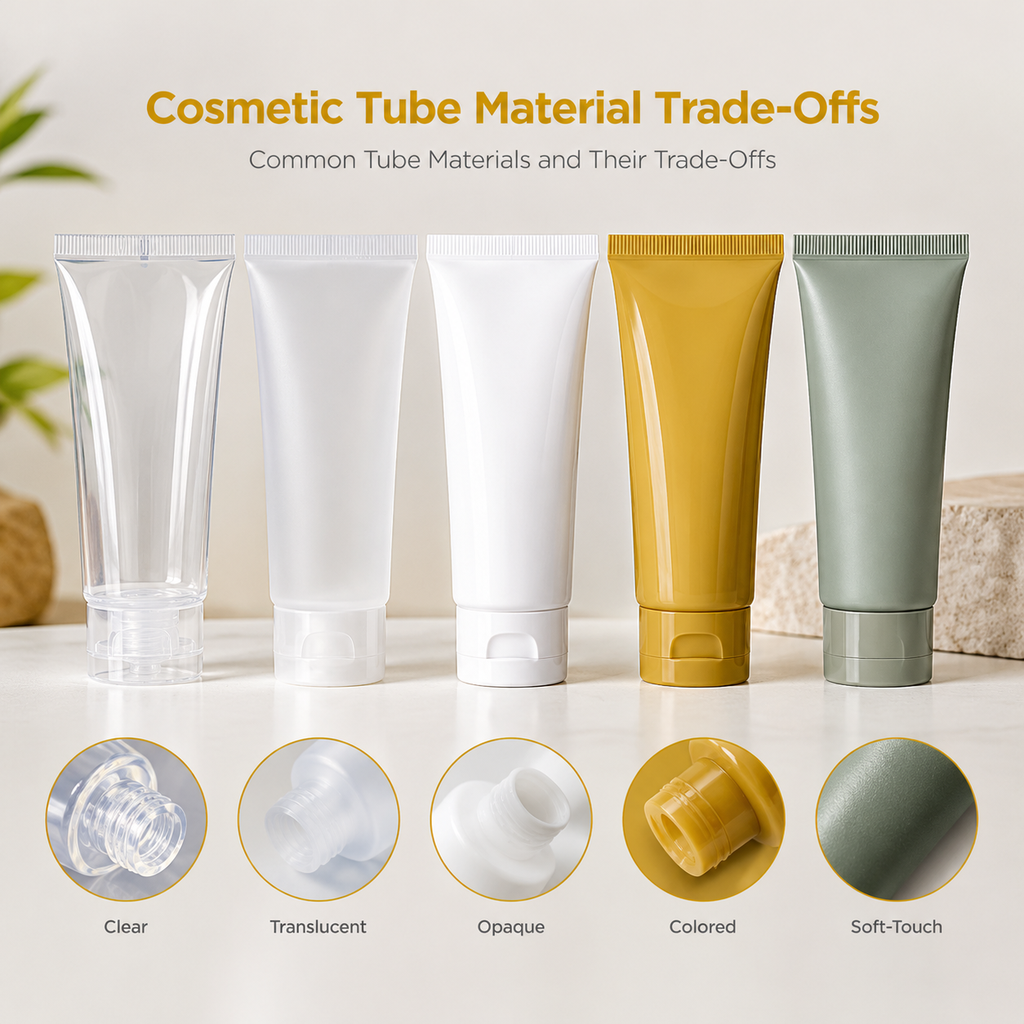
The best tube material depends on flexibility, appearance, barrier expectations, decoration, sealing requirements and formula compatibility. Do not select a material only because it is clear, soft or associated with a particular product category.
Plastic structure, flexibility and appearance
| Tube consideration | Potential benefit | Trade-off or question to verify |
|---|---|---|
| Standard soft plastic structure | Flexible body and familiar squeeze dispensing | Confirm formula compatibility, wall feel, seal performance and product recovery after squeezing. |
| Multi-layer or barrier-oriented structure | May support more demanding protection requirements | Layer construction, sealing behavior and decoration must be reviewed for the specific formula. |
| Clear or translucent appearance | Shows product color and supports a clean visual style | Light exposure, color consistency and formula appearance may require evaluation. |
| Opaque or colored tube | Provides stronger visual coverage and brand color control | Color matching, print coverage and batch consistency need approval samples. |
Material selection should be based on the formula, storage conditions, filling process and desired user experience. YBJ Packaging describes plastic and soft plastic packaging capabilities, but the exact tube structure and material combination should be confirmed for each project. Any recommendation about compatibility, barrier behavior, MOQ, tooling, price or production timing depends on the submitted specification and approved sample.
Cap and Closure Options
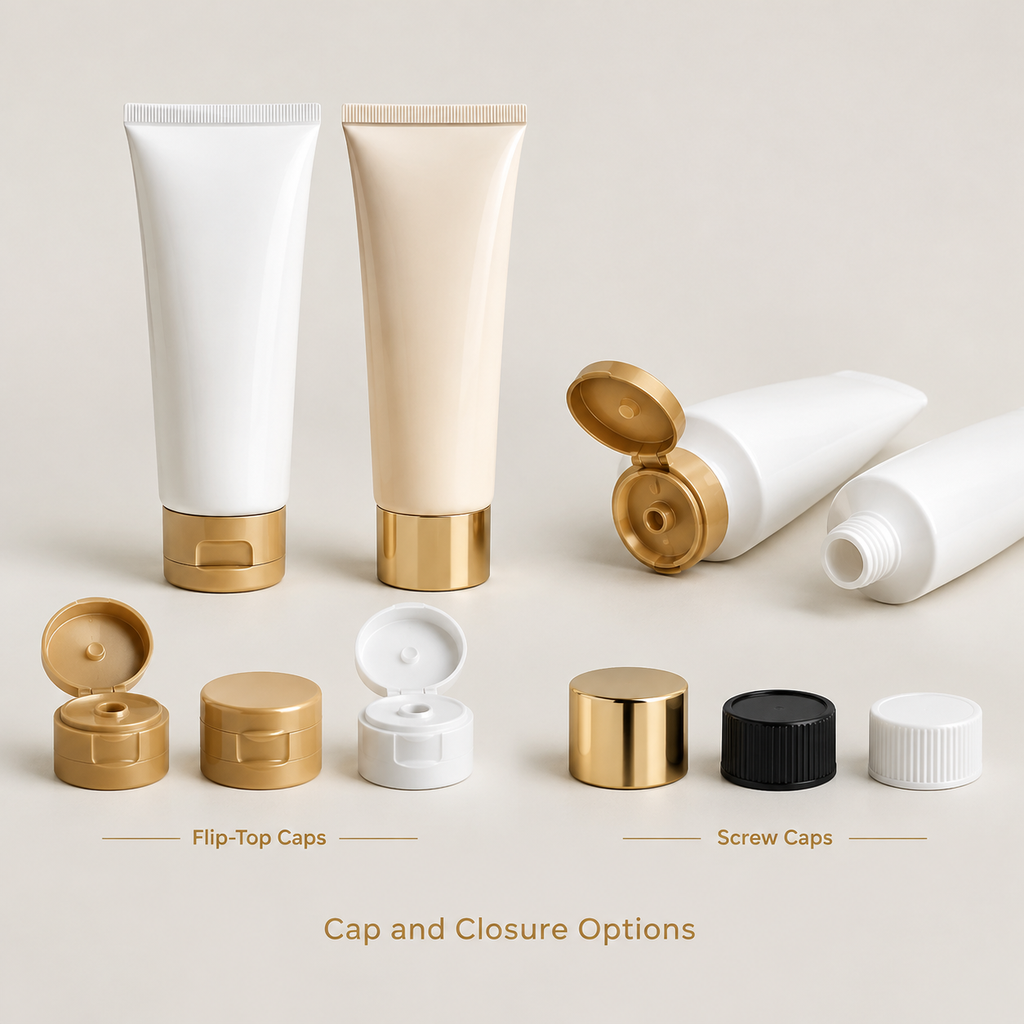
Which cap types are available for cosmetic tubes? Common choices include flip-top caps, screw caps and other project-specific dispensing closures. A flip-top cap allows one-handed opening and can be useful for shower, sink or travel use. A screw cap may support a different appearance or opening profile but requires the user to remove and replace the cap. The right choice depends on product positioning, dispensing control, closure retention and filling-line assembly.
Specify the cap together with the tube, not as a separate item. Confirm the matching neck or opening interface, cap color, hinge behavior if applicable, closure fit, orifice size and whether the packed product can be stored without leakage. For products used in wet environments, review the cap’s handling and closure feedback during samples.
YBJ Packaging supplies pumps and caps as part of its broader cosmetic-packaging offering. Buyers can compare Opciones de bombas y tapones para productos cosméticos while confirming which components are suitable for a tube project.
Decoration and Artwork Requirements
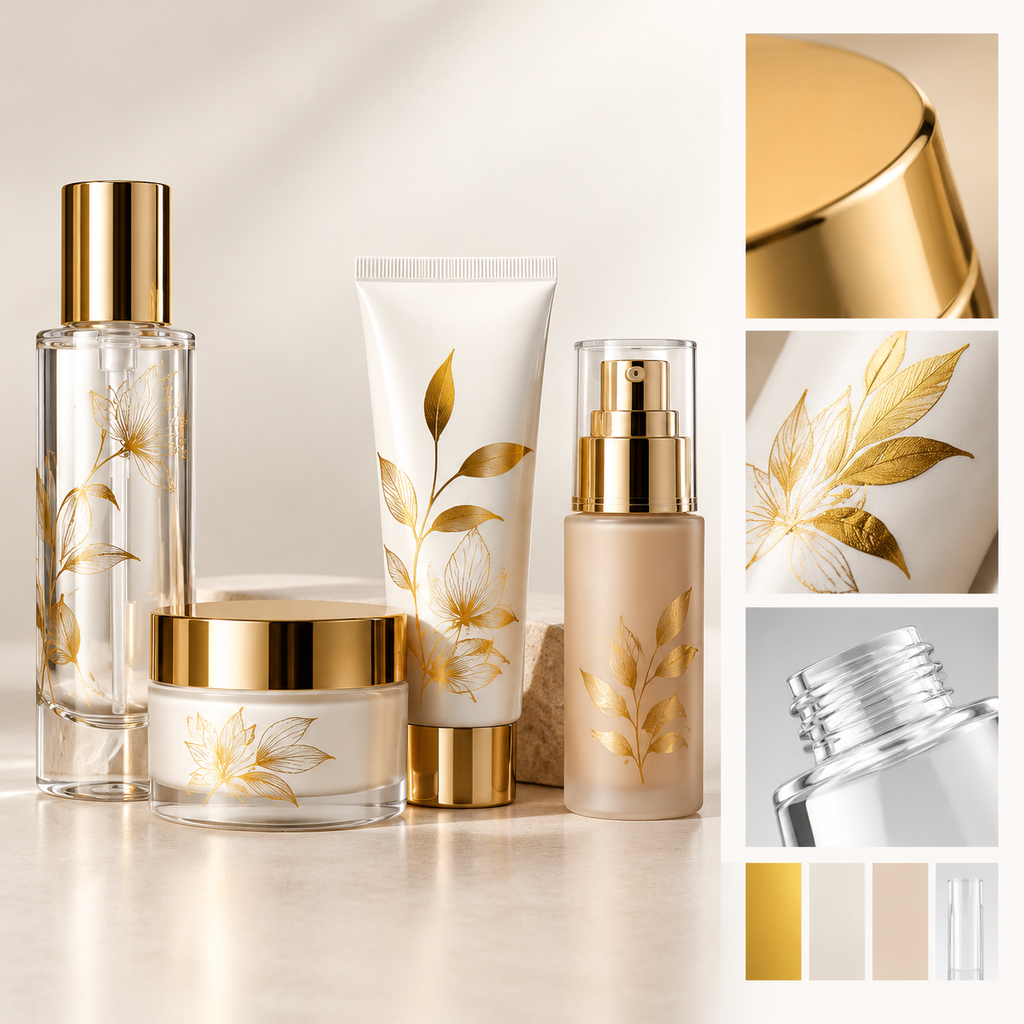
Decoration affects both shelf appearance and production complexity. Buyers may evaluate printed graphics, color matching, matte or gloss finishes, metallic effects, labels or other finishing approaches according to the tube structure and desired look. The decoration method should be selected after confirming the tube surface, artwork coverage, small text, registration requirements and expected handling during filling and shipping.
Provide vector artwork, color references, print dimensions and the location of required information. Identify whether the artwork must wrap around the body, stop before the shoulder or continue toward the seal area. Ask the supplier to show how the design aligns on a filled or assembled sample. Fine text, gradients, metallic effects and multiple colors can require additional review.
Decoration approval should cover color, position, legibility, surface finish and resistance to ordinary handling. Final results may vary with material, print process, tube curvature, batch and approved color standard, so review a representative sample before production.
Tabla de especificaciones de tubos cosméticos
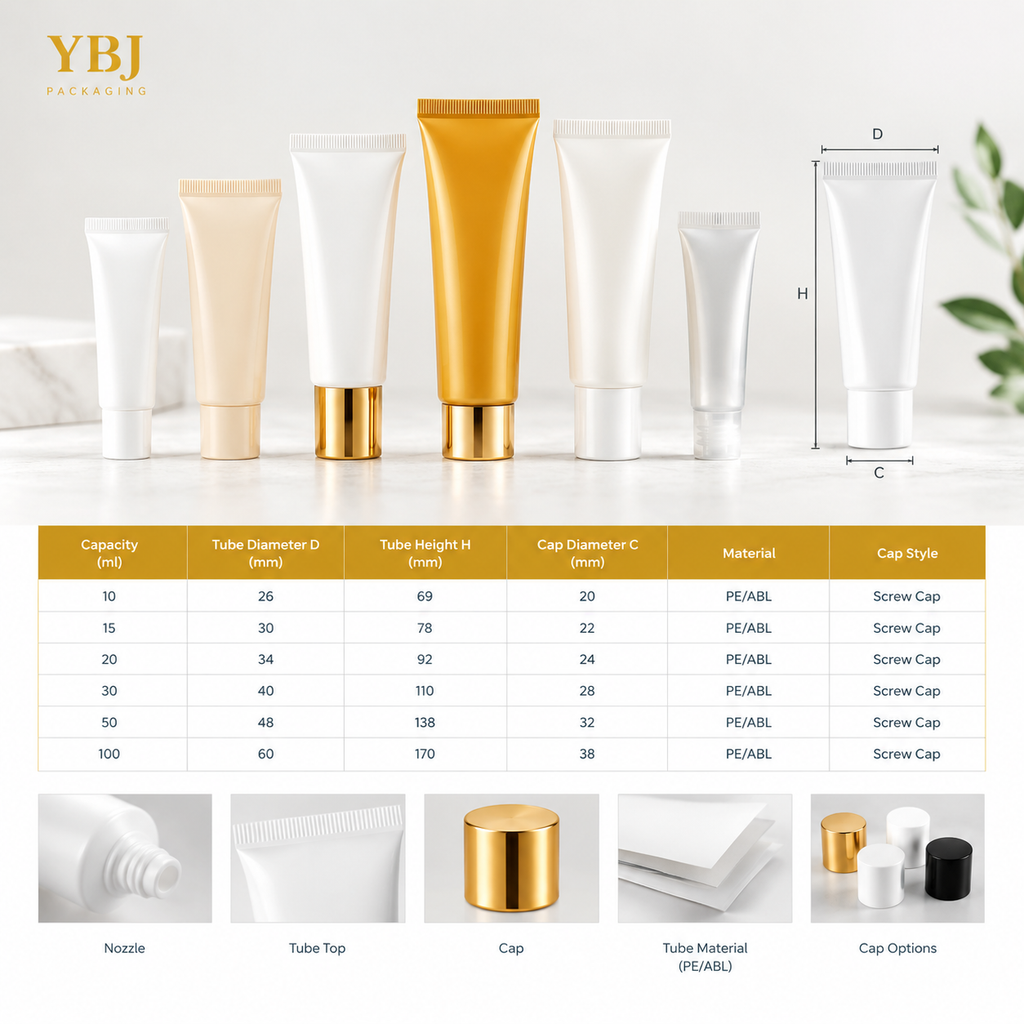
Use the following table as a starting specification sheet for a tube manufacturer. Some fields cannot be finalized until formula, filling equipment and samples are reviewed.
| Especificaciones | What to provide | Por qué es importante |
|---|---|---|
| Product and formula context | Product type, viscosity range, pH or other relevant handling information | Supports material, opening and compatibility review. |
| Capacity and dimensions | Nominal fill, tube diameter, body length and overall height | Controls user experience, appearance and filling-line fit. |
| Tube structure | Preferred material, layer construction, flexibility and opacity | Links packaging behavior to formula and brand requirements. |
| Opening and dosage | Orifice preference and desired dispensing amount | Affects flow control, residue and consumer use. |
| Closure | Flip-top, screw cap or other option, plus color and finish | Determines handling, fit, appearance and leakage checks. |
| Decoración | Artwork, colors, print coverage and surface finish | Defines visual approval and production setup. |
| Filling and sealing | Filler details, product fill temperature and end-seal requirements | Helps confirm process compatibility and seal inspection. |
| Commercial and logistics details | Estimated quantity, destination and target date | Supports project-specific tooling, capacity and shipping review. |
Sampling and Filling-Line Checks
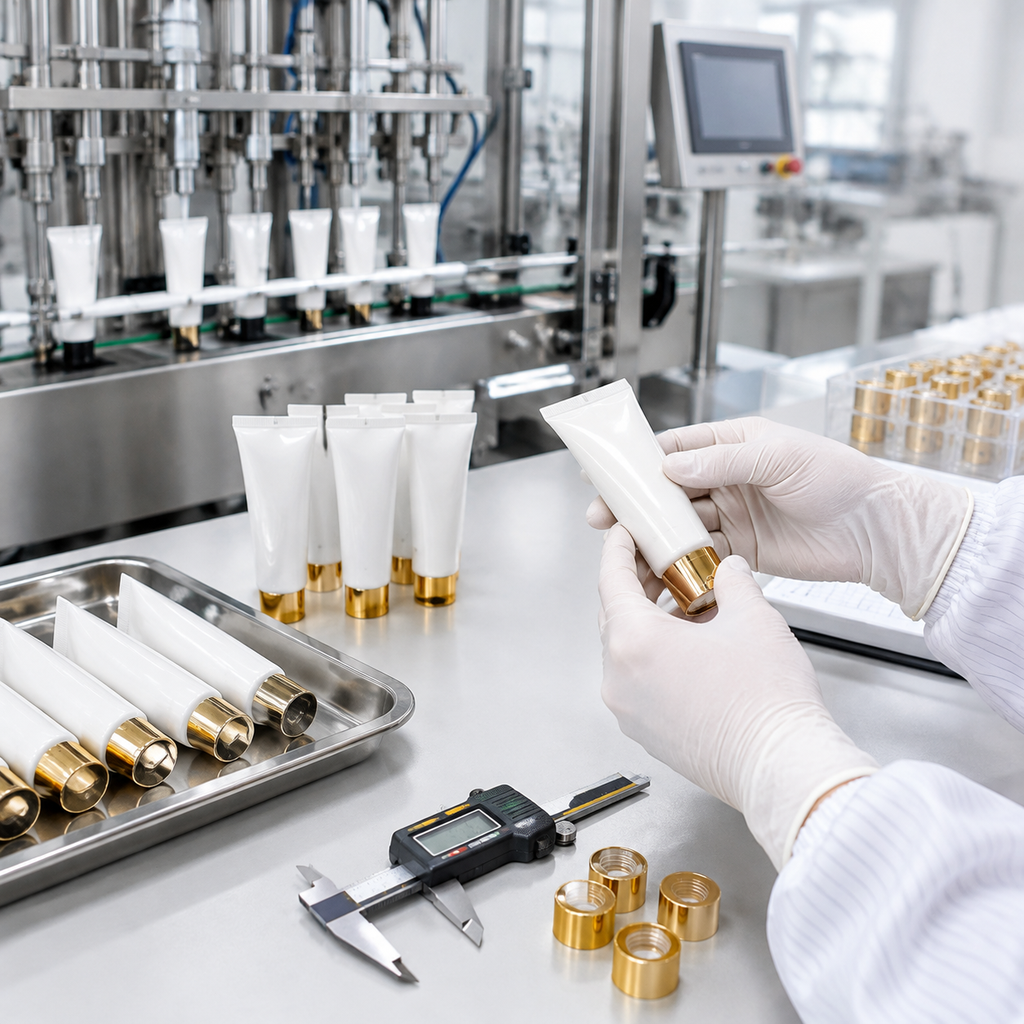
How are custom cosmetic tubes tested before approval? They are typically reviewed through a staged sample process that connects the empty component, formula and filling operation. The exact checks depend on the project and should be agreed with the packaging supplier and filler.
Seal, leak, torque and dispensing checks
- Dimensional review: Check capacity, diameter, height, shoulder, opening and cap fit against the approved drawing.
- Formula compatibility: Fill representative tubes and observe changes in appearance, odor, softness, swelling, cracking or other signs that require investigation.
- Dispensing review: Check opening behavior, squeeze force, dosage consistency and residue for the actual formula.
- Closure review: Confirm cap fit, opening and closing behavior, retention and any specified torque or closure force.
- Seal and leak review: Inspect the end seal and test filled units under agreed storage, handling or orientation conditions.
- Filling-line trial: Run representative components through the intended filling and sealing equipment, then inspect appearance and rejects.
- Decoration approval: Compare print position, color, finish and legibility with the approved artwork and standard.
YBJ Packaging states that its capabilities include a Class 10,000 cleanroom, automated assembly and 23 Toshiba all-electric injection machines. These company-stated capabilities do not replace project-specific validation or the buyer’s approval process.
RFQ Checklist for a Tube Manufacturer
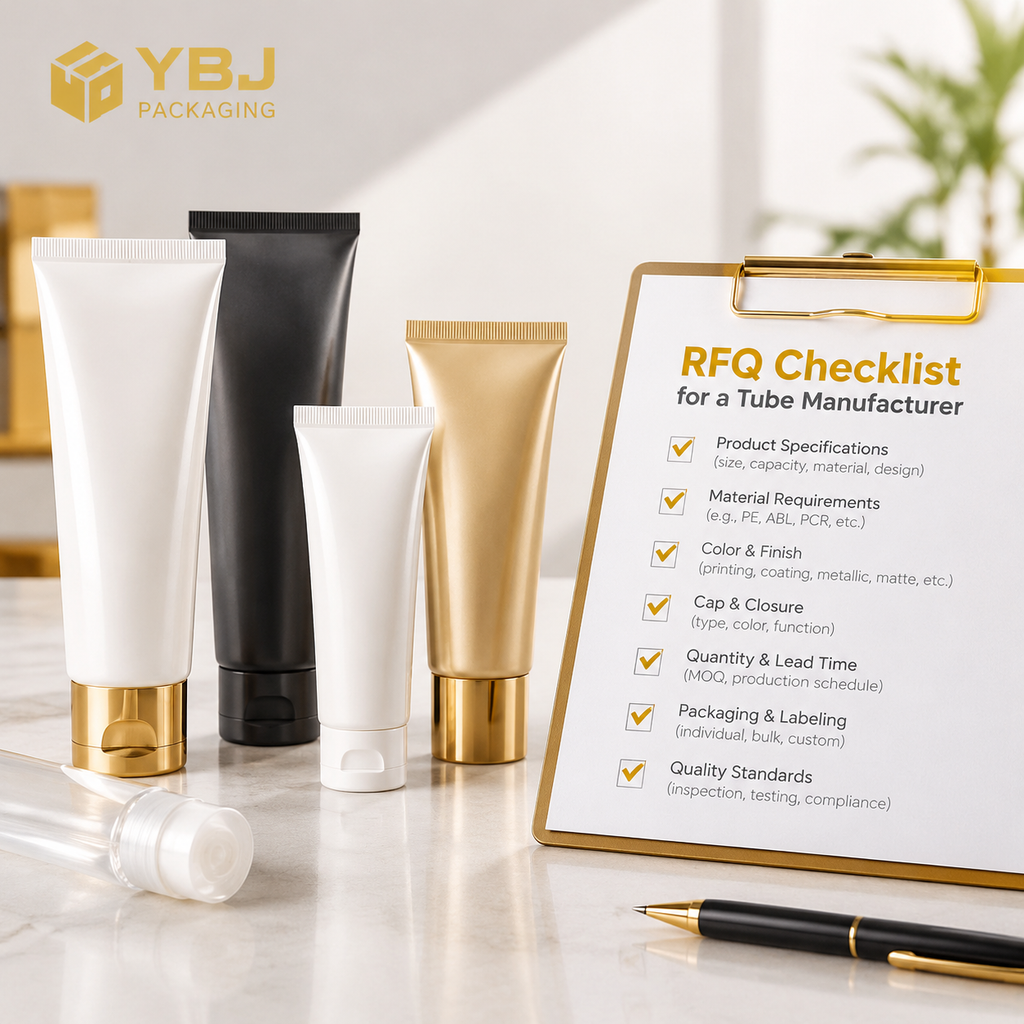
What information does a tube manufacturer need for a quote? Send a concise brief containing:
- Product category, formula or viscosity context and intended application.
- Target capacity, tube diameter, dimensions and acceptable tolerances if known.
- Preferred tube material, structure, flexibility, opacity and color.
- Opening type, desired dosage and cap preference.
- Decoration method, artwork status, color references and finish.
- Filling application, equipment information, end-seal requirements and trial expectations.
- Estimated quantity, whether tooling or a stock component is being considered, destination and target date.
- Required samples, compatibility questions and the approval decision-maker.
This information helps YBJ Packaging assess an OEM or ODM route, recommend practical options and identify questions before sample development. MOQ, tooling, pricing, production time and shipping depend on the complete brief, material, decoration, quantity, destination and approval status.
Preguntas frecuentes
These answers address common purchasing questions, but the final recommendation should be based on project samples and approval.
Discuss Your Custom Cosmetic Tube Project
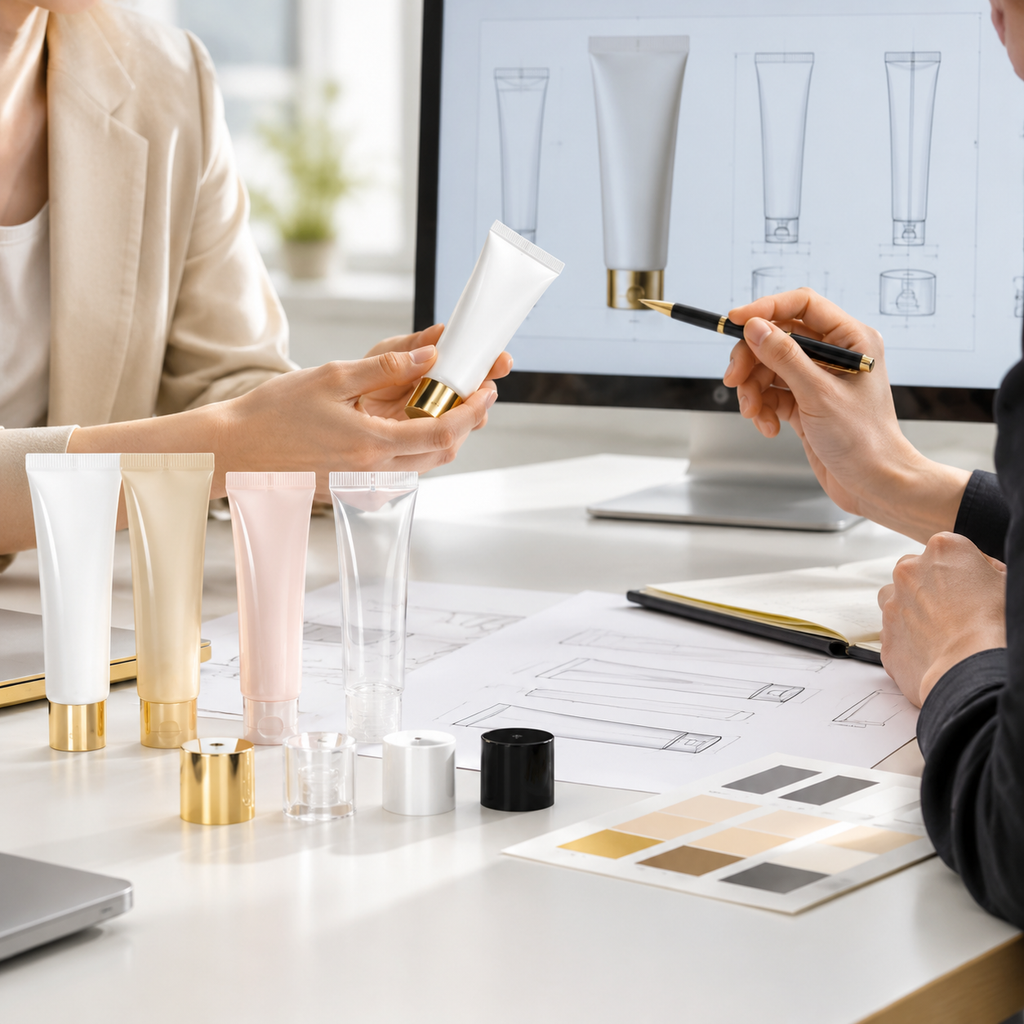
Tell YBJ Packaging what you are filling, the package format and capacity you need, your material and decoration preferences, estimated quantity, destination and target date. The team can review the brief and suggest practical OEM or ODM packaging options for your project. Include the filling application and formula context if you want to discuss compatibility or sample requirements.
Preguntas frecuentes
What tube material is best for facial cleanser?
There is no universal best material. Select the tube structure after reviewing cleanser viscosity, formula compatibility, desired flexibility, appearance, decoration, filling process and sealing requirements. A representative filled sample should be evaluated before approval.
Which cap types are available for cosmetic tubes?
Common options include flip-top caps, screw caps and other project-specific dispensing closures. The cap must match the tube interface and should be checked for fit, opening behavior, retention, leakage and user handling.
Can the same tube be used for skincare and toothpaste?
Possibly, but the packaging should not be assumed interchangeable. Skincare and toothpaste products can have different viscosity, compatibility, dispensing, barrier, filling and sealing requirements. The tube structure and closure should be reviewed for the specific formula and filling process.
How are custom cosmetic tubes tested before approval?
Typical project checks include dimensions, cap fit, formula compatibility, dispensing, closure behavior, seal integrity, leakage, filling-line performance and decoration. The final test plan should be agreed with the supplier and filler and completed on representative samples.
What information does a tube manufacturer need for a quote?
Provide product and formula context, capacity, dimensions, material preference, opening and cap, decoration, estimated quantity, filling application, destination and target date. Tooling, MOQ, pricing, production time and shipping depend on these project details and sample approval.
Comenta tu envase cosmético personalizado
Indica a YBJ Packaging qué producto vas a envasar, el formato y la capacidad del envase que necesitas, tus preferencias en cuanto a materiales y decoración, la cantidad estimada, el destino y la fecha prevista. El equipo analizará el pliego de condiciones y te propondrá opciones prácticas de envasado OEM u ODM para tu proyecto.

 English
 Français
 Español
