



In the competitive beauty industry, packaging is often the first interaction a consumer has with your brand. However, for procurement managers and brand owners, the journey from concept to final product is fraught with technical challenges. A stunning design on a screen does not always translate to a functional product on the shelf.
Ordering cosmetic packaging involves complex decisions regarding materials, engineering tolerances, decoration techniques, and logistics. A single oversight—such as a pump that doesn’t fit the bottle neck or a plastic that reacts with the formula—can lead to costly delays, product recalls, and brand damage.
This guide outlines the most common pitfalls in sourcing cosmetic packaging and provides actionable advice on how to navigate the procurement process effectively.
1. Skipping Product-Package Compatibility Testing
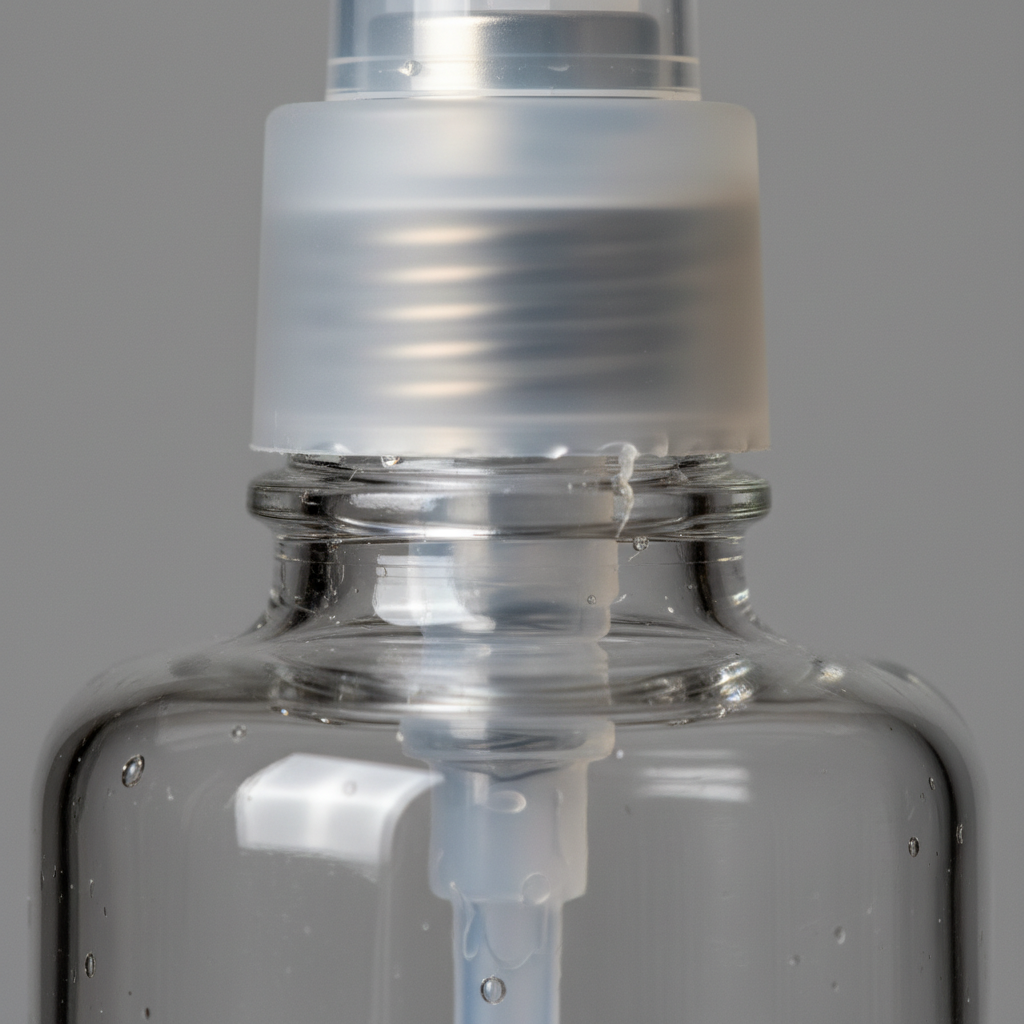
One of the most critical errors in packaging procurement is assuming that any bottle or jar will hold your specific formula without issue. Cosmetic formulations often contain active ingredients, essential oils, alcohols, or sunscreens that can interact aggressively with certain packaging materials.
Material Interactions
For example, essential oils can cause certain plastics, like Polystyrene (PS), to crack or cloud over time. High-alcohol content might degrade specific seals or decorations. Conversely, some formulas are sensitive to UV light or oxygen, requiring opaque or airless packaging solutions to maintain stability.
The Fix: Stability Testing
Always conduct thorough compatibility and stability testing before placing a full production order. This involves filling sample packaging with your bulk product and subjecting it to various conditions (heat, cold, time) to observe any physical changes in the container or chemical changes in the formula. Never rely solely on the supplier’s general material data; your specific formula requires specific validation.
2. Overlooking Technical Fitment and Tolerances
In cosmetic packaging, a "standard" neck finish isn’t always universal. While industry standards like 18/410, 20/410, or 24/410 exist, slight variations in manufacturing tolerances between different suppliers can result in leaks or crooked caps.
Common Fitment Issues
- Leakage: If the thread depth or pitch doesn’t align perfectly between the bottle and the closure, the seal will be compromised.
- Dip Tube Length: A dip tube that is too short leaves product at the bottom (consumer frustration), while one that is too long can bend excessively and block the flow.
- Pump Output: Failing to specify the correct dosage (e.g., 0.2cc vs. 2.0cc) can ruin the user experience. A face serum requires a small dosage, whereas a body lotion needs a higher output.
The Fix: Match Components Early
Whenever possible, source the bottle and the closure (pump, sprayer, cap) from the same supplier to ensure a unified fit. If sourcing separately, request technical drawings and physical samples of both components to verify the "T" (Thread) and "E" (Wall) dimensions personally.
3. Misunderstanding Decoration Constraints
Visual appeal is paramount, but manufacturing realities limit what can be achieved on a curved surface. Brands often submit artwork designed on a flat canvas without considering the physical limitations of silk screening, hot stamping, or labeling on a round or tapered object.
Decoration Pitfalls
- Print Area: Designs that go too close to the shoulder or base of a bottle may distort or fail to print clearly.
- Color Matching: Relying on screen colors (RGB) instead of physical Pantone (PMS) references often leads to disappointment. Furthermore, the base color of the material (e.g., amber glass vs. clear PET) affects the final appearance of the ink.
- Small Text: Extremely fine text may fill in during the silk screen process, becoming illegible.
The Fix: Consult the Die Line
Always request the specific die line (template) for the product you are ordering. Work within the safe zones indicated by the manufacturer. Provide artwork in vector formats (AI, PDF) and specify Pantone codes for every color used.
4. Underestimating Lead Times and Logistics
B2B packaging procurement is not an overnight process. Custom manufacturing, quality control, and international shipping take time. A common mistake is working backward from a launch date without accounting for potential delays.
Typical timelines often look like this:
- Sampling: 1–3 weeks
- Production: 30–45 days (depending on quantity and complexity)
- Shipping: 4–6 weeks (for sea freight)
- Customs & Delivery: 1–2 weeks
The Fix: Plan with Buffers
Start the sourcing process at least 4–6 months before your intended launch. If you require custom molds, add another 2 months for tooling creation and validation. Always factor in holidays (such as Lunar New Year) which can shut down production for weeks.
5. Prioritizing Unit Price Over Total Cost
It is tempting to choose the supplier with the lowest unit price, but this often obscures the Total Cost of Ownership (TCO). Low-cost packaging may suffer from thinner walls, lower grade materials, or poor quality control, leading to high defect rates on your filling line or breakage during transit.
Consider the cost of:
- Production downtime due to jammed caps.
- Returns and refunds caused by leaking products.
- Brand reputation damage from flimsy packaging.
The Fix: Assess Quality First
Evaluate suppliers based on their quality assurance processes. Ask about their inspection standards (e.g., AQL levels). A slightly higher unit cost for a robust, heavier-weight bottle often saves money in the long run by reducing waste and protecting your brand image.
6. Neglecting Sustainability Claims
Greenwashing is a significant risk. Ordering "eco-friendly" packaging without verifying the materials or certifications can lead to legal issues and consumer backlash. Not all plastics are recyclable in all regions, and terms like "biodegradable" have specific legal definitions.
The Fix: Verify Materials
If you are seeking sustainable options like PCR (Post-Consumer Recycled) plastic or mono-material designs, ask for documentation. Understand the trade-offs; for instance, high percentages of PCR might result in slight color variations or impurities in the material, which is normal but needs to be accepted by your design team.
Buying Guide: A Checklist for Secure Procurement
To ensure a smooth ordering process, follow this checklist before signing the purchase order:
- Define Specifications: Material, volume, neck finish, color, and dosage.
- Request Samples: Never order mass production without approving a physical pre-production sample.
- Test Compatibility: Validate the package with your specific bulk formula.
- Approve Artwork: Sign off on digital proofs and, if possible, a physical print proof.
- Clarify Logistics: Confirm Incoterms (EXW, FOB, CIF) to understand who is responsible for shipping and insurance.
- Set Quality Standards: Agree on acceptable defect rates and inspection protocols.
Frequently Asked Questions
What is the typical MOQ for custom cosmetic packaging?
Minimum Order Quantities (MOQ) vary by material and customization. Standard stock items might have MOQs as low as 1,000–5,000 units, while custom-colored or printed items typically require 10,000 units or more to justify the setup costs.
Can I use a pump from one supplier and a bottle from another?
Yes, but it carries risk. Even if both are rated as "24/410," tolerance stacks can cause leaks. We strongly recommend sourcing both components from the same manufacturer or conducting rigorous leak testing with samples before purchasing.
What is the difference between Silk Screen and Hot Stamping?
Silk screening applies ink through a mesh onto the bottle, suitable for multiple colors and complex details. Hot stamping uses heat and pressure to transfer a metallic foil onto the surface, creating a shiny, premium gold or silver effect. They are often used together for a high-end look.
How do I know if my formula needs Airless Packaging?
If your formula is sensitive to oxidation (e.g., Vitamin C serums) or is too viscous to flow through a dip tube, airless pump bottles are the best choice. They use a vacuum mechanism to dispense nearly 100% of the product without introducing air.
Ready to source high-quality packaging without the headaches? Contact our team today to request a quote or a sample kit tailored to your brand’s needs.

 English
  Français
  Español